Drawing the Lines to prevent Intimate Partner Violence
Violence and abuse in intimate relationships is a social problem affecting all parts of Israeli society. While a majority of those affected by life-threatening and severe Intimate Partner Violence (IPV) are women, IPV is experienced by men as well. IPV has a detrimental effect on children, family members, and society at large. According to expert estimates, the problem has not decreased in recent years.
Why does it happen? Various factors contribute to IPV: personal characteristics such as violent behavioral tendencies; social factors, such as cultural norms that blur boundaries in couples and families; levels of violence tolerated in a society; perceptions of gender roles; and gender inequality in social, economic, and physical dimensions.
To bring about sustainable change and reduce Intimate Partner Violence, for both men and women, we need a broad alliance that spans all sectors.
Drawing the Lines initiative was established by SHEATUFIM in 2021. It is a network of more than 100 partners from all sectors, from government to businesses, NGO’s, academia, and community groups. The shared mission is to reduce Intimate Partner Violence, with a focus on prevention and early detection.
170
organizations, researchers, social activists, are part of the Drawing the Lines Network
10.8%
experienced some form of intimate partner violence during the past year
5.3%
of women experienced physical violence by a male partner during the past year, compared with 3.8% of men by a female partner
9.8%
of men experienced non-physical violence by a female partner, compared with 9% of women by a male partner
41%
of women who experienced physical violence sought assistance, compared with only 20% of men who experienced physical violence
Vision and Objective
Our vision
We seek a tangible change in Israeli society, to significantly reducing cases of Intimate Partner Violence. We aim to create profound changes in public awareness and broad scale condemnation of this violence. Public awareness and social support will prevent the increase in violence and help individuals take an active and informed role in refusing to tolerate abusive relationships. A network of effective professional resources will assist in preventing IVP, in sync with individual, gender-based, and cultural needs.
Our objectives
We strive to create a broad and inclusive partnership that will act in a systemic manner to promote greater awareness of the range of behaviors classified as Intimate Partner Violence, and advance ways to prevent that violence throughout Israeli society

Our goals

Awareness
increase public recognition of the problem, its characteristics, its consequences, and the available responses

Support
create a community, social and public support system to prevent intimate partner violence and help individuals leave violent relationships.

Action
identify and stop intimate partner violence among couples and their immediate environment in the early stages.
Collective Impact operation model
The initiative is based on the Collective Impact model, developed in the United States to advance solutions to complex social problems. The model posits that the solution to the issues cannot be achieved by an individual organization or sector taking action on its own. Cooperation across sectors and communities is needed to probe the issues and develop long-term, sustainable solutions.
The model is based on fundamental principles that include creating a common agenda, a shared system of measurement system, activities that reinforce one another, open and ongoing communication, and an organization that serves as the center of command. organization.
SHEATUFIM is the backbone for the initiative –providing the professional and organizational infrastructures required for varied endeavors to be effective and influential.

Steering Committee
Partner organizations














































The backbone of the Initiative
The backbone organization team works to promote the partnership and its collective impact.
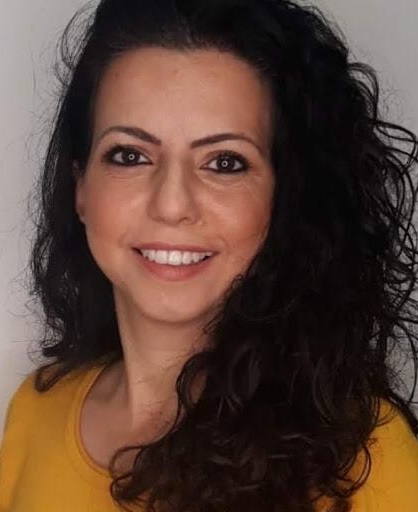
Sawsan Touma Shukha
Arab Society Partnerships Manager
Sawsan Touma Shukha
Arab Society Partnerships Manager
In her previous position, Sawsan managed the Unit for Utilization of Resources & Economic Development in Daburiyya Local Council. ...
Click to read more >> [email protected]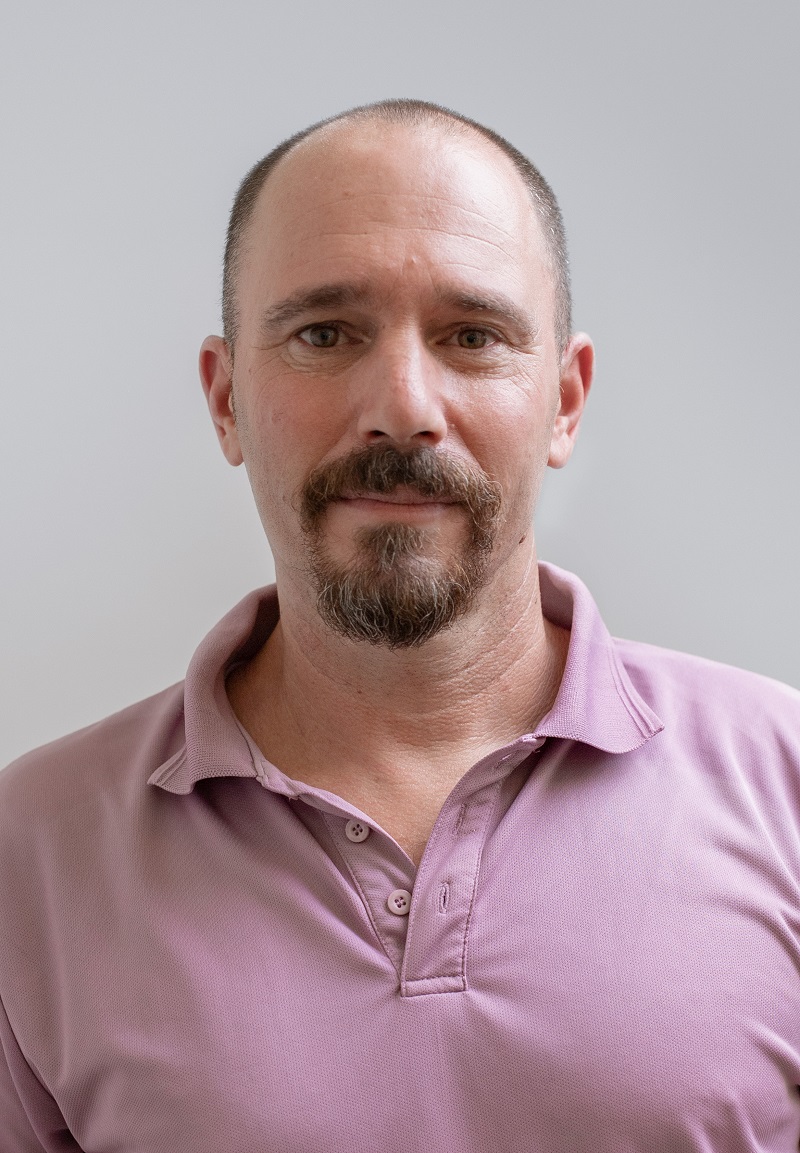
Ziv Raz
Professional consultant
Ziv Raz
Professional consultant
Social worker, psychotherapist, coordinator of training for professionals in the field of intimate partner violence. Involved in the field ...
Click to read more >>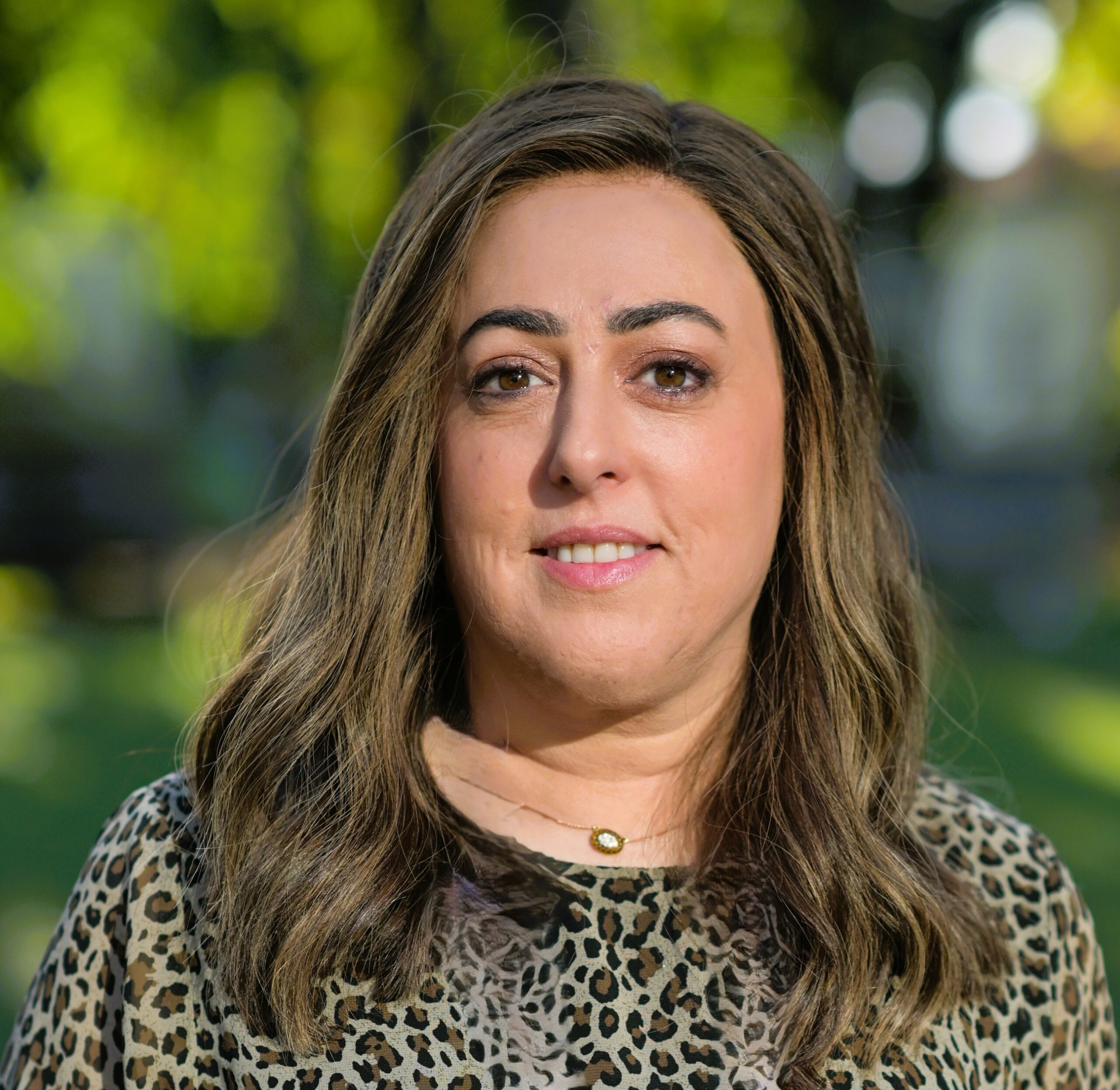
Pnina Pfeuffer
Haredi Society Partnerships Manager
Pnina Pfeuffer
Haredi Society Partnerships Manager
Pnina is a social entrepreneur active in Jerusalem and the Haredi community. She founded the New Haredim Network for social ...
Click to read more >> [email protected]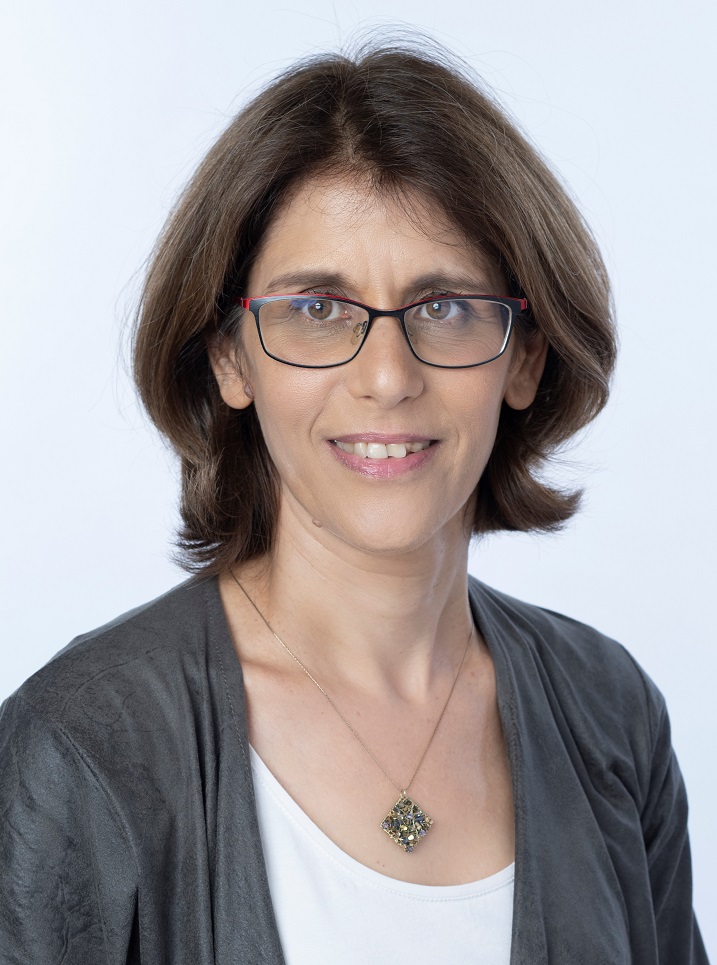
Yasmin Rubin Cooper
Director of the Initiative
Yasmin Rubin Cooper
Director of the Initiative
Yasmin has extensive experience with organizational consulting in the first and third sectors, leading partnerships and advising on strategic processes. ...
Click to read more >> [email protected]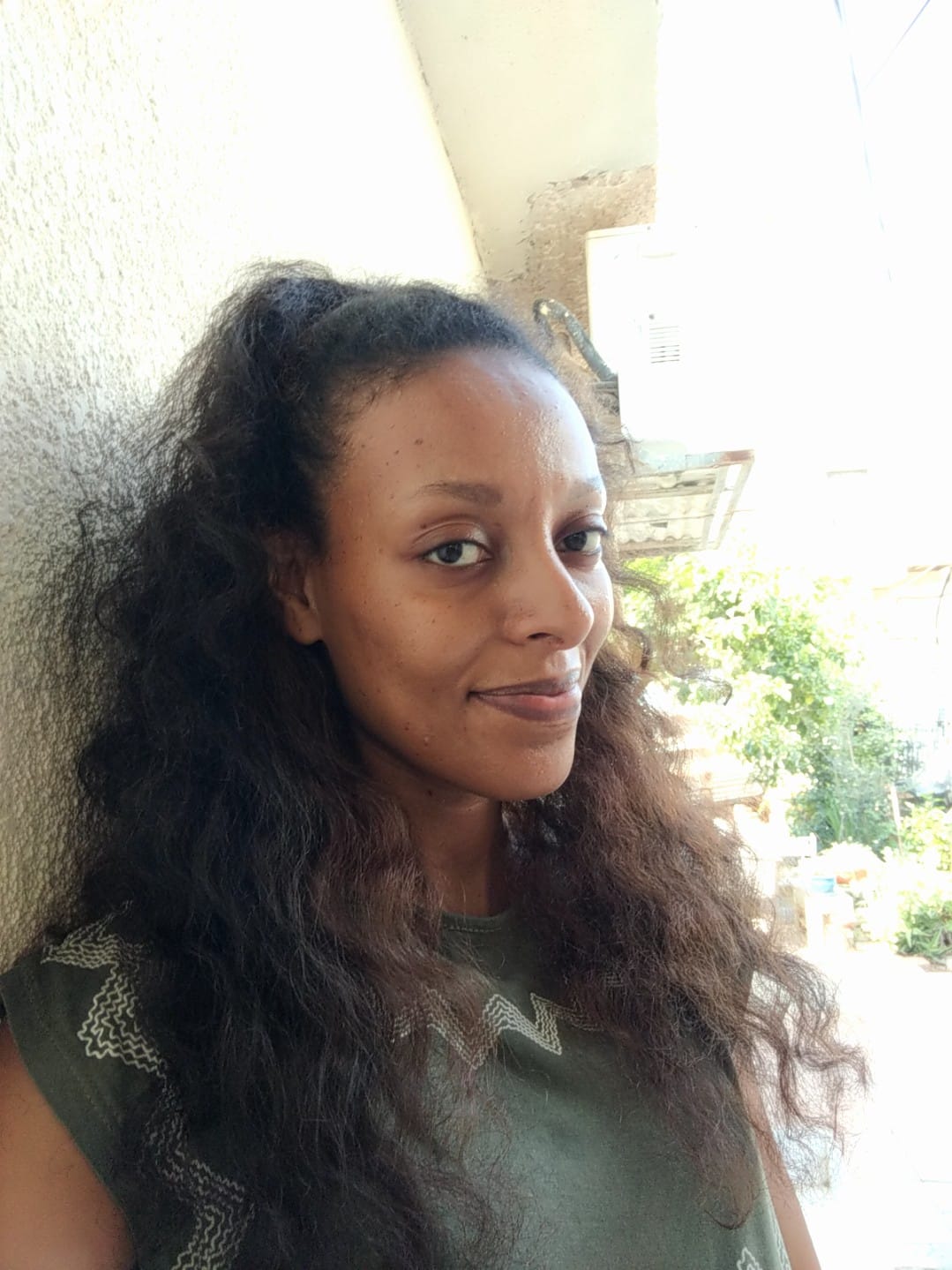
Yerus Dasa
Red Lines Initiative Coordinator
Yerus Dasa
Red Lines Initiative Coordinator
In her most recent role, Yerus managed office operations and employee experience at a high-tech company. She previously worked as ...
Click to read more >> [email protected]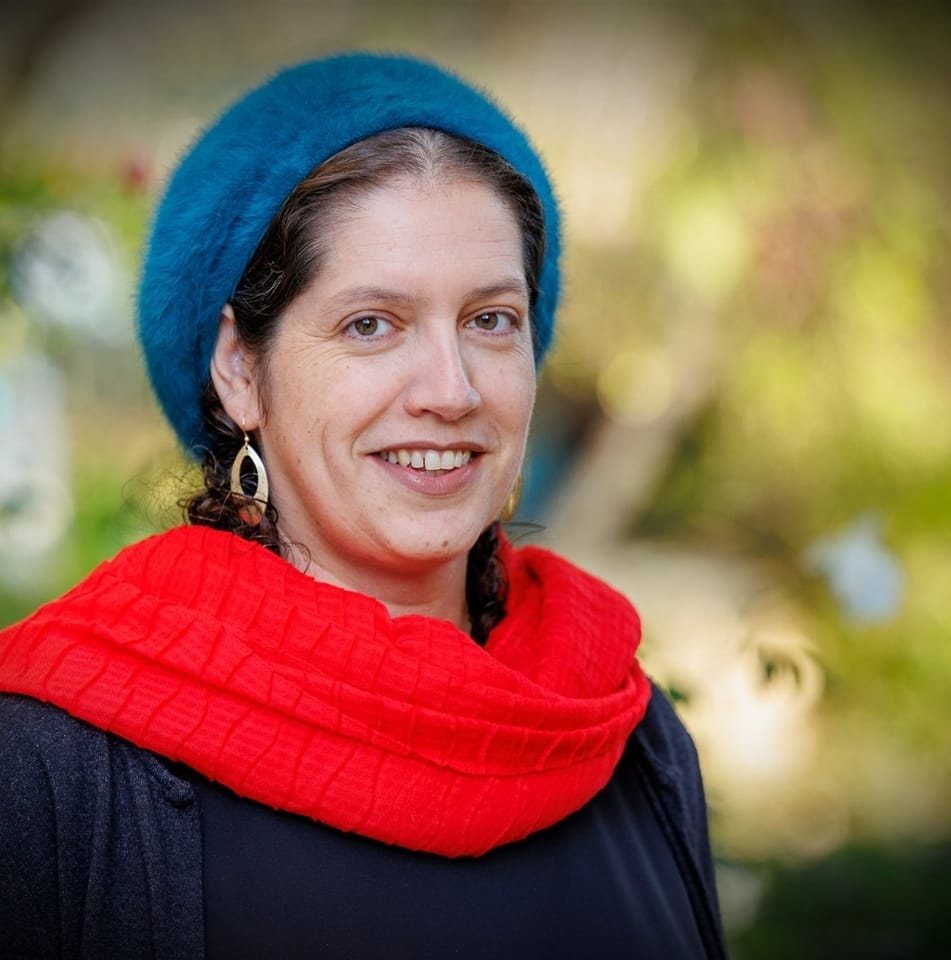
Dr. Michal Prins
Communications and Busines Partnerships Manager
Dr. Michal Prins
Communications and Busines Partnerships Manager
Dr. Prins researches sexuality in conservative societies and has been an activist in the fields of sexuality and intimate relationships ...
Click to read more >> [email protected]Drawing Change Fund
For more information contact
Mrs. Adina Pekin
[email protected]